Choose the job before choosing the visit
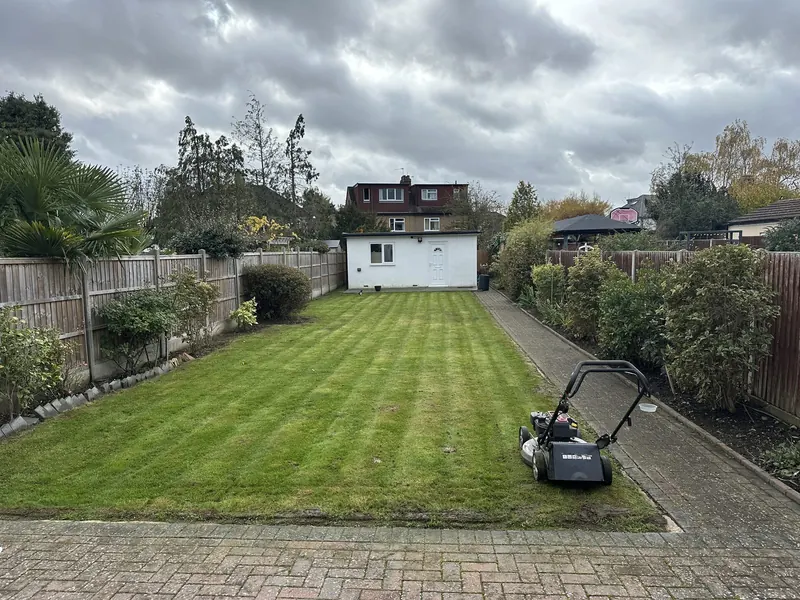
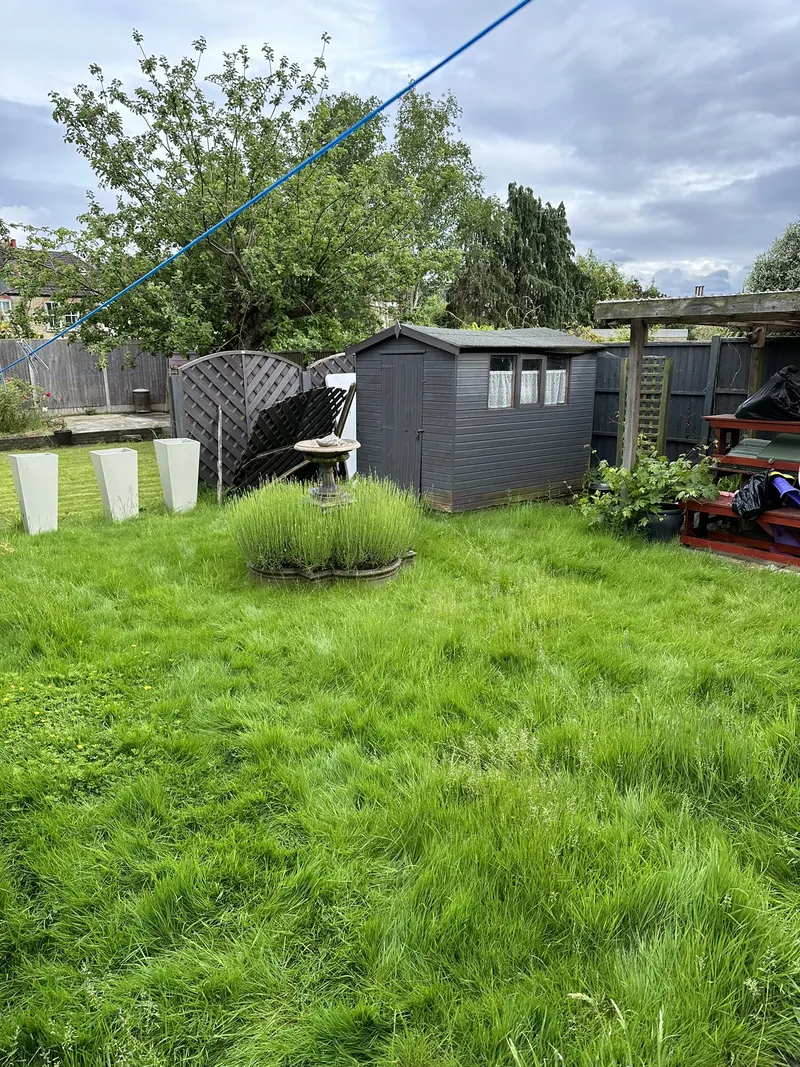
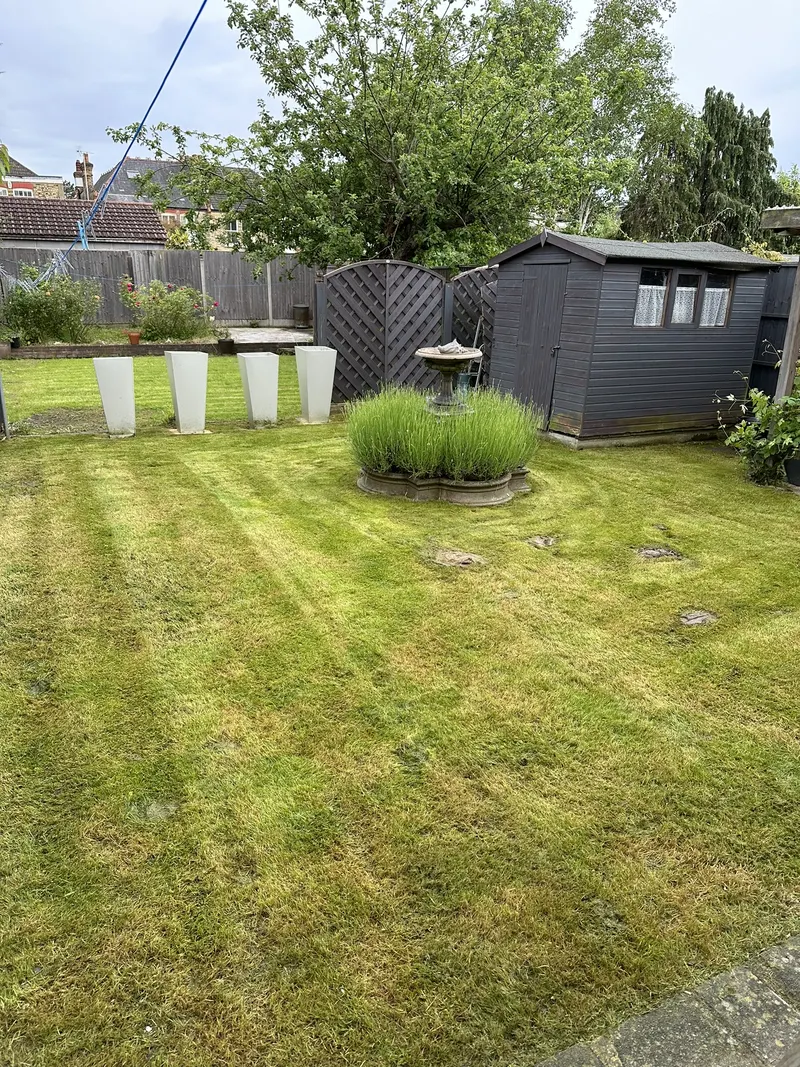
The distinction that matters most is whether the garden is already usable. With maintenance, the work is repeated around an agreed pattern. With a tidy-up, there is a list of ordinary jobs to catch up on. With clearance, gaining access may be a job in itself. A job may change category when a wide photograph shows a second area you could not see from the gate.
There is also a useful difference between a surface and a plant. If you need a route cleared, say whether the obstruction is a hedge face, canes across the path or growth in the paving joints. If you need one plant trimmed, describe the part to retain. In both cases, a photograph with the intended stopping line marked will give the visit a more useful starting point.
When there are several jobs, give the most important one a clear end point. “Leave enough room to open the gate fully” gives us more to work with than “tidy the side”. If the garden is used by several people, agree which parts should be left in place before requesting a visit. Identify the surfaces where cutting can take place and the routes that need to stay clear.
Choose what happens to the material at the same time as the work. Explain whether there is a spot on the property where cuttings can be gathered, and flag any existing pile that also needs an assessment. If the work is for a commercial property, show the main entrance and the time at which it is busiest so access can be discussed.
Which gardening service fits?