Make the first stage useful on its own
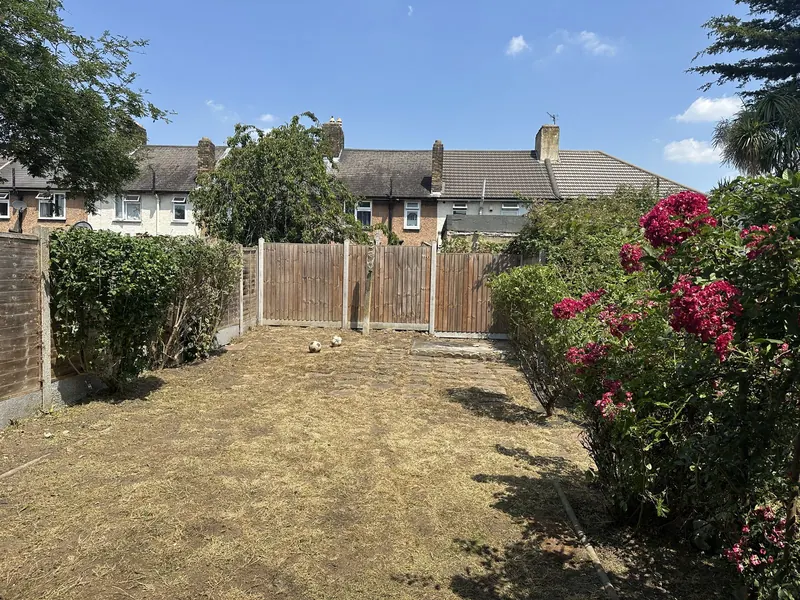
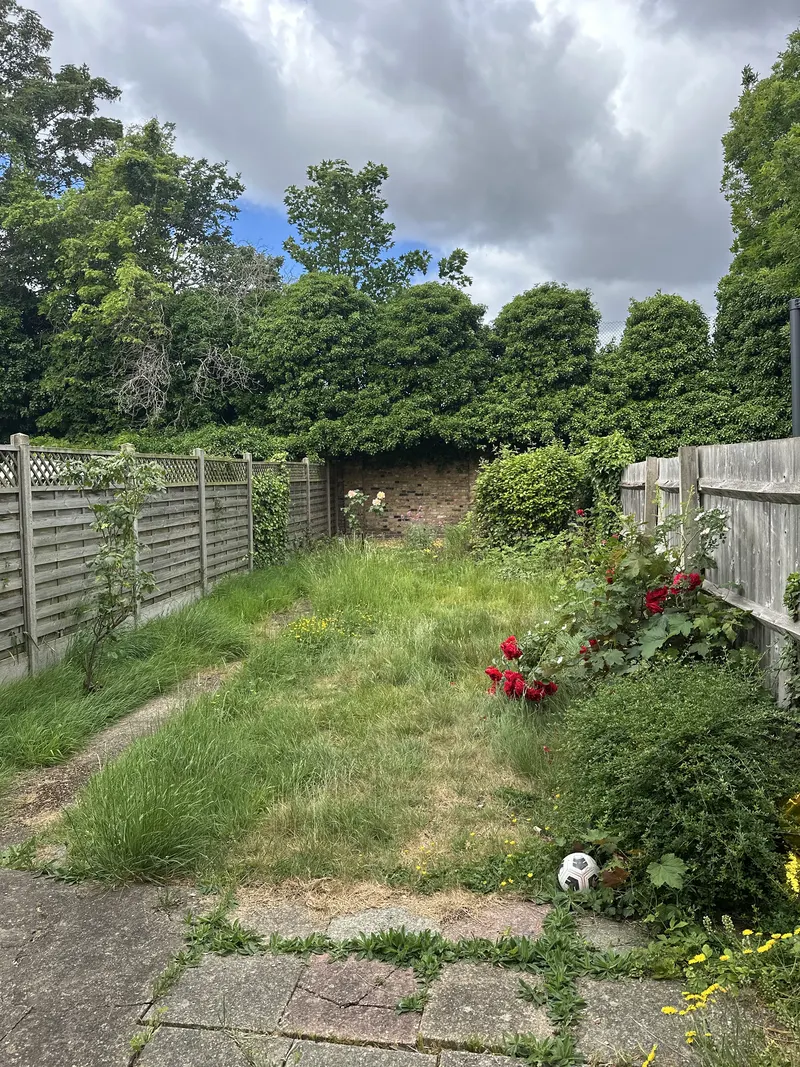
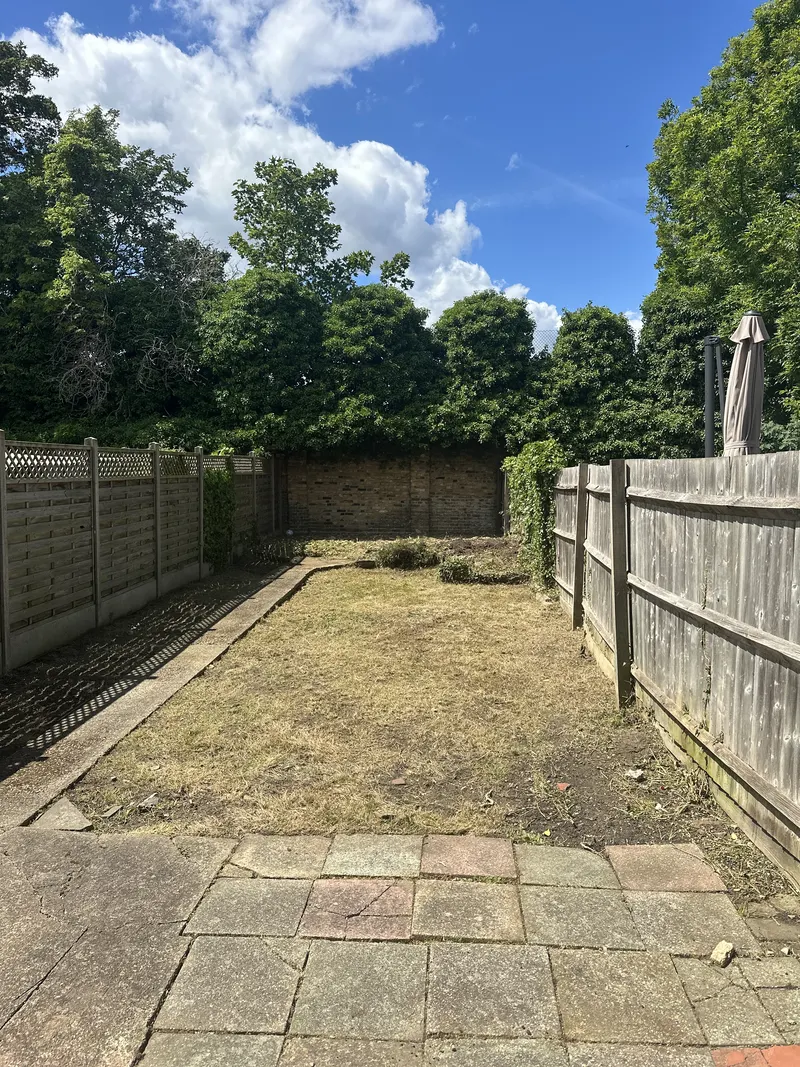
Divide the garden into areas someone can recognise at the visit. A gate, wall corner or shed door gives each area a name. Mark the entrance and destination for the first route. Once that route can be reached, you can see more of the next section and check whether it contains any edging or planted features to preserve. Treat uncertain ground beneath the growth as something to assess.
Think about where cut material can go without filling the route you have just opened. A garden with a narrow approach may need the carry route assessed separately. If there is an existing pile, photograph it before anything is added. List loose items, builders’ material or household waste separately so the cut green waste can be identified.
Give the intended finish by section. A path can be cleared to its edges while a bed on one side keeps its shrubs. A corner you want to use again may need a wider cutback with a defined boundary. If you want to prepare for later paving or planting, explain that intention while keeping the clearance brief separate from the future work.
Compare the quotation with your marked photo before booking. Check that the first route and the areas retained are named, and that the collection arrangements are clear. Ask how any newly visible area will be assessed before more work is added. A plan in stages gives you a useful result even if later areas require another decision.
Waste arrangements for each stage
Give us separate photos for existing piles and for growth that will be cut. Household occupiers need to take reasonable steps to transfer household waste only to an authorised person. See section 5 of the GOV.UK waste duty of care code. Our registered waste carrier number is CBDU671401. For targeted work, see Bramble clearance · Ivy trimming and removal.