Build a surface-by-surface brief
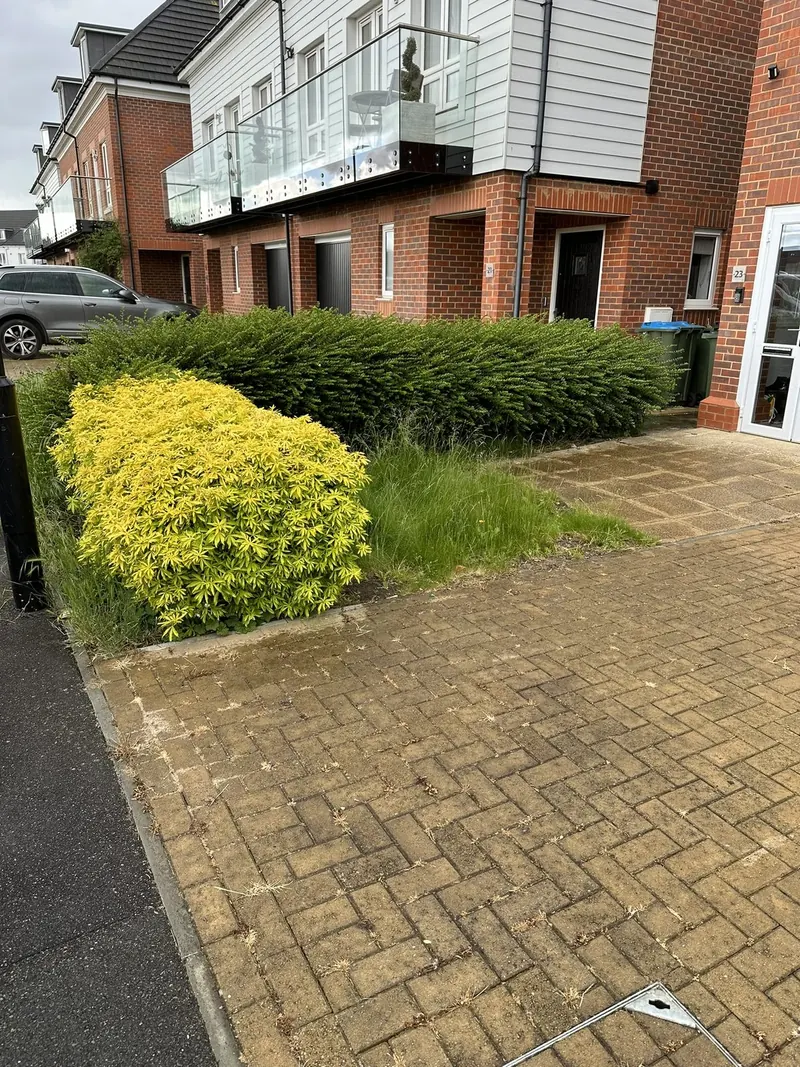
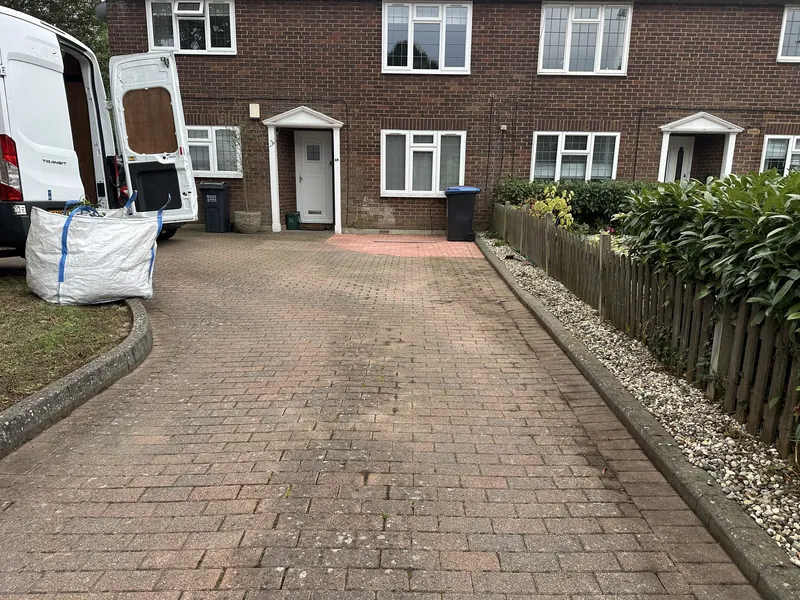
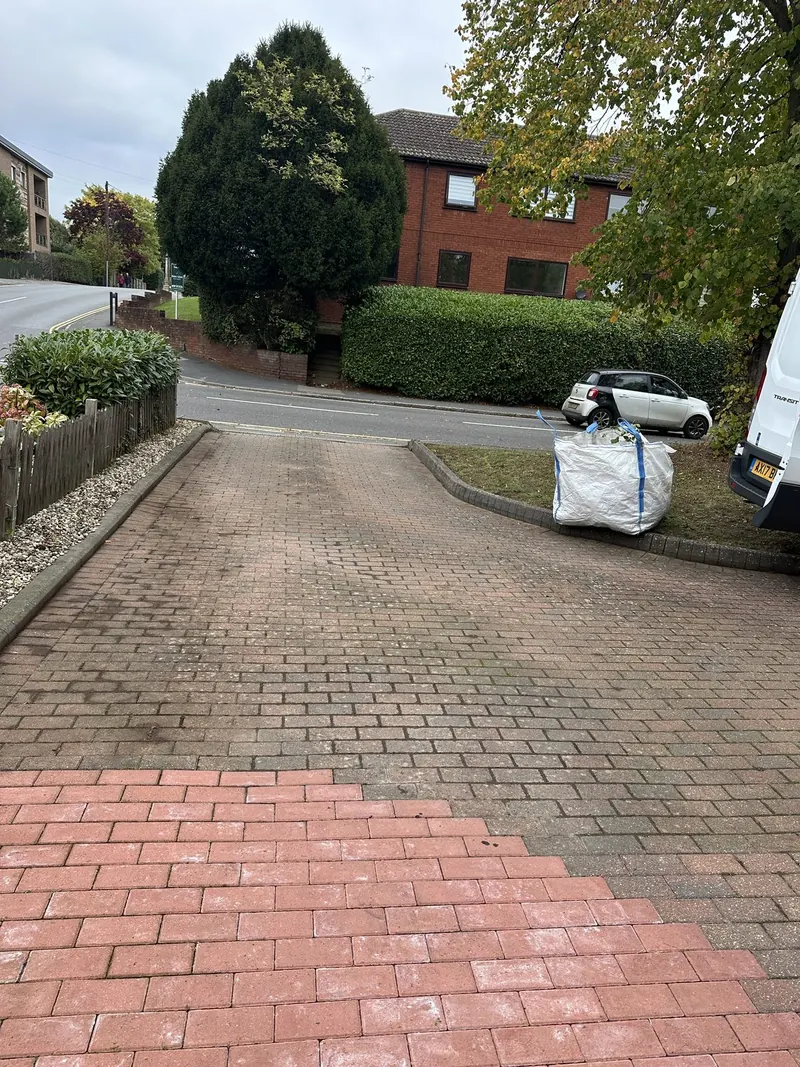
Draw the boundary of the work before discussing equipment. One useful way to do this is to stand at the entrance and label the surfaces in the order you reach them. A long drive might include a path that should remain clear, while a patio might stop at the first step. Give each of those a name. If you are unsure what material was laid, include a dry close-up and any installation information you have. This allows the assessment to start from the condition of the material and the finish it already has.
The area to wash can change when furniture, gates or parked vehicles are taken into account. Show what can move and what is fixed. If two areas need to stay available at different times, describe that in the request. A sequence agreed around access can be easier to review than a single instruction to clean all hard surfaces. Ask for edges, changes of material and anything excluded to be recorded in the written scope.
Look along the route between the work and the connections before booking. If the tap and socket are on opposite sides of the property, show both approaches. Explain who can open the gates or rooms involved. Where a path serves another entrance, identify when it needs to remain usable. Keep information about the route, materials and any drainage concerns together so it can inform the method as well as the estimate.
Use the table to distinguish the request before comparing estimates. A roof enquiry starts with access and condition. A deck needs board details, and a narrow passage needs a plan for gates and thresholds. If the priority is simply the area you use most, explain which one that is. The estimate can then show the working boundary and any preparation agreed for that surface. Where a second material crosses the same route, show where you want the first job to stop.
Choose the service by surface
Show any drains and the direction water may travel. The GOV.UK pollution prevention for businesses explains that only clean water should enter a surface-water drain. For a domestic site, see the Harrow Council surface-water drainage leaflet for why the drain destination matters. We assess each surface and its surroundings before setting the method.