Plan the route as well as the surface
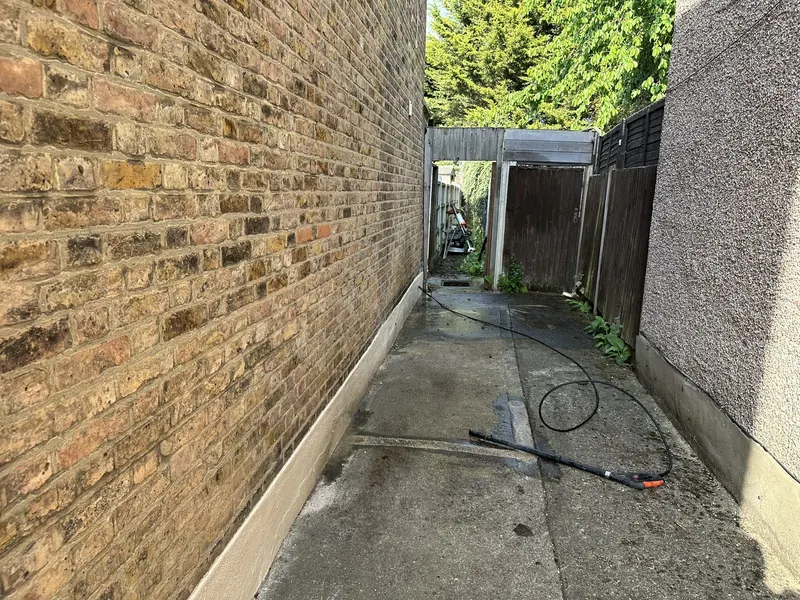
Walk the path as someone would use it on the day. Start at the gate, then photograph the narrowest point and where it turns or reaches a door. A photograph looking back from the end can reveal a return or step that is hidden in the first view. Mark any part that has to remain available. If the route is shared, tell us who can agree access and how people will reach the other entrance while the named section is being cleaned.
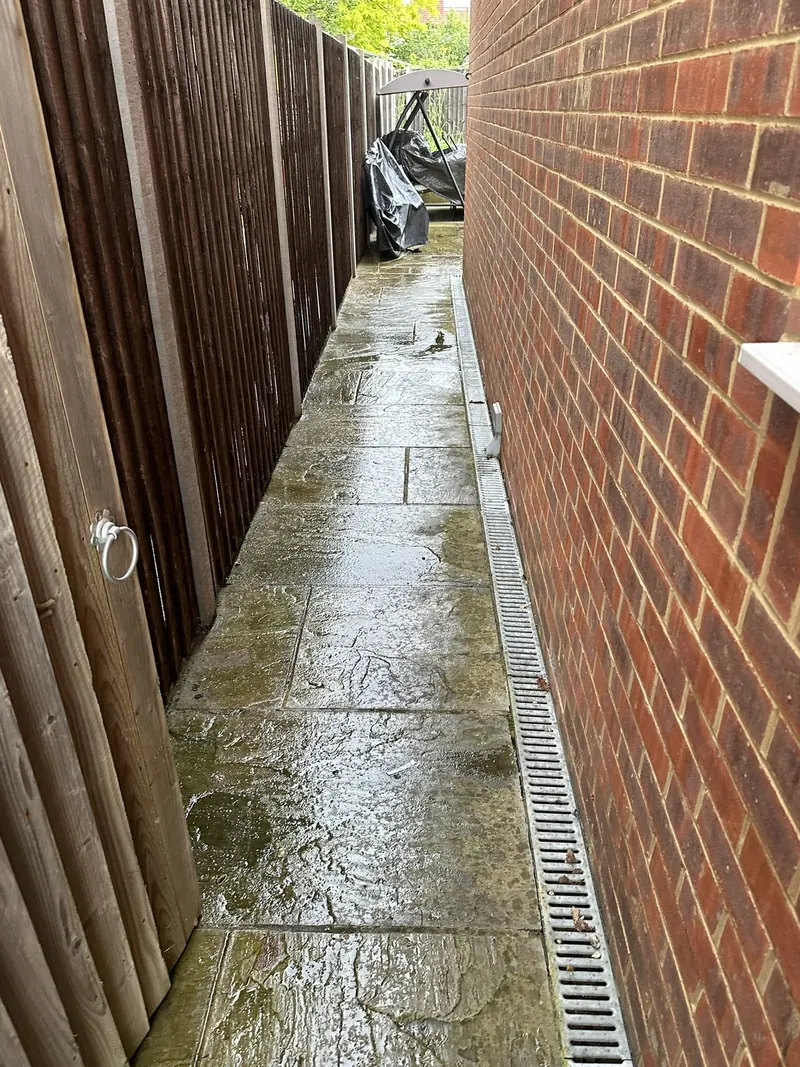
Give the water and power route its own description. If either connection is reached through a different gate, state which gates need to open. Show any channel alongside the path and where it ends, as far as you know. Where water can reach another property or a doorway, point out that boundary before choosing the work sequence. Do not assume a channel can be used just because it lies beside the path.
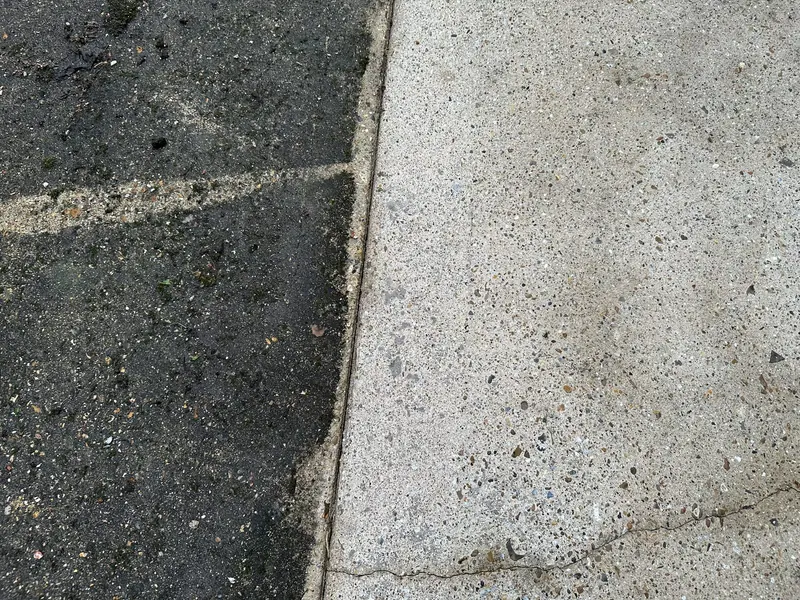
For a path that changes surface after a corner, show both materials and the point where you want to stop. Include a separate view of a landing if it should be considered. Show any slabs or edging that are loose. The written scope should identify the route that can be washed and any damaged or adjoining section left for a separate assessment.
At a shared passage, the most useful picture may be the one looking back through the narrowest gate. Show the swing of the gate and what lies just beyond it. If the path gives access to another door, mark the stretch that needs to stay clear. A change in level may mean the section behind a step should be described on its own. Use the final picture to show the exact stopping point. Do the same for any channel or exit route you expect to be discussed. Explain which tap can be used and whether the electrical socket is reached through a different entrance. Those details affect how equipment can be positioned and how the work can be planned without assuming another route is available.
Neighbours, gates and run-off
Show any threshold or boundary where water might cross. The Harrow Council surface-water drainage leaflet explains that surface drains can lead to rivers without treatment. The route and any known channel should be part of the assessment, particularly if a path connects separate entrances.