Plan the working method and drying time
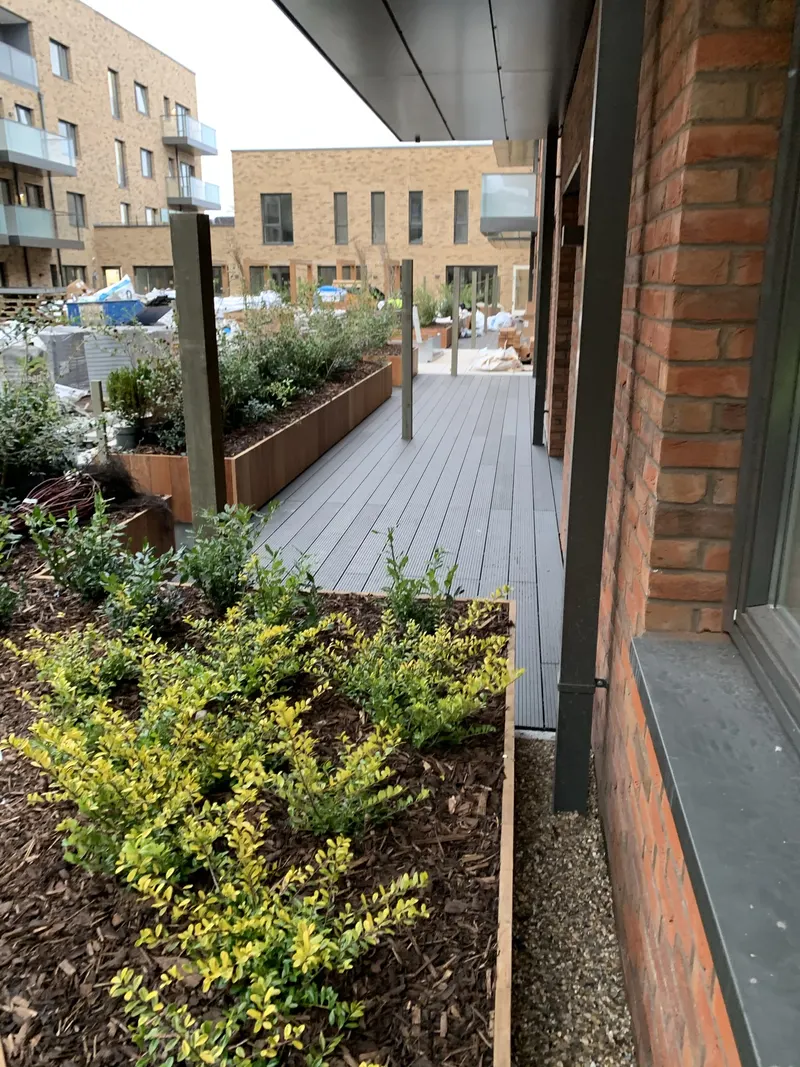
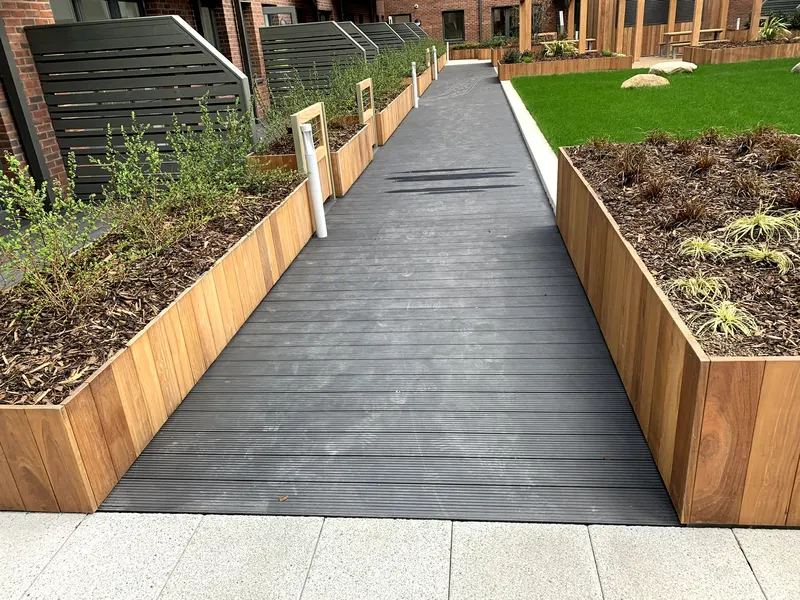
Start with a picture looking along the boards and another showing their ends. An elevated edge or step can be hard to see from above. Include any point where a board moves, a fixing stands proud or the finish has worn. If the deck contains a replacement board or a section made of a different product, mark it on the photo. That helps us choose which parts can be treated together and which need separate attention.
Decide how the deck will be used while the area is drying. If it is the only way to the garden or to a door, say which route matters and when. For a seat, planter or table that cannot move, show its base and the part of the deck around it. The quotation can identify an agreed working area without assuming the full deck is accessible. Discuss the likely weather and site conditions before fixing an access window for cleaning and drying.
Tell us where the deck feels slippery and whether the issue is on a tread, at a threshold or across the boards. A cleaning visit can be assessed for those areas. Wear, movement and damaged boards need a separate decision. Keep the care information for the deck with the enquiry if you have it, and ask for any exclusion to be stated before booking.
When inspecting the deck, distinguish board ends from the long edges between boards. Send a side view of a step or raised edge if it forms part of the work. Ask how that change of level will be left available for access. Where timber and composite meet, label the two areas even if they are similar in colour. The manufacturer or installer notes are especially useful if the surface has a textured finish. Give us one picture of any fixing or board that worries you and a wider picture that shows its place in the deck. If an area is exposed to the weather and another is sheltered, show that difference when discussing drying and when the deck can be used again.
Slip risk and drying
The RHS guidance on algae and moss on hard surfaces explains that growth such as algae can make decking slippery. Show the boards where you notice it. Assessing the deck includes discussing the method, weather and how access can be arranged while the surface dries. A clean does not repair soft or moving boards.