Build a rhythm you can review each month
Use the calendar as a prompt to look at the garden rather than as a promise that a task takes place in a particular month. Each month, review what you use, where growth is changing access and what should be left alone. Agree the order for the next visit and record work that can wait. If a priority changes, explain the change before the next appointment.
Keep a short repeat list for ordinary tasks such as mowing accessible grass and tending agreed beds. Add a separate list for changes that only need attention occasionally. A hedge face that now projects over a gate may move to the top of that list. A bed you prefer to work on yourself should be marked so it does not become part of the routine by accident.
Hours can change if the area included grows or if the route in becomes harder to use. Show the narrowest entrance and anything that would need to move before equipment can reach the garden. Agree a realistic priority order if there are more tasks than the visit can accommodate. Revisit that order before committing to a wider scope.
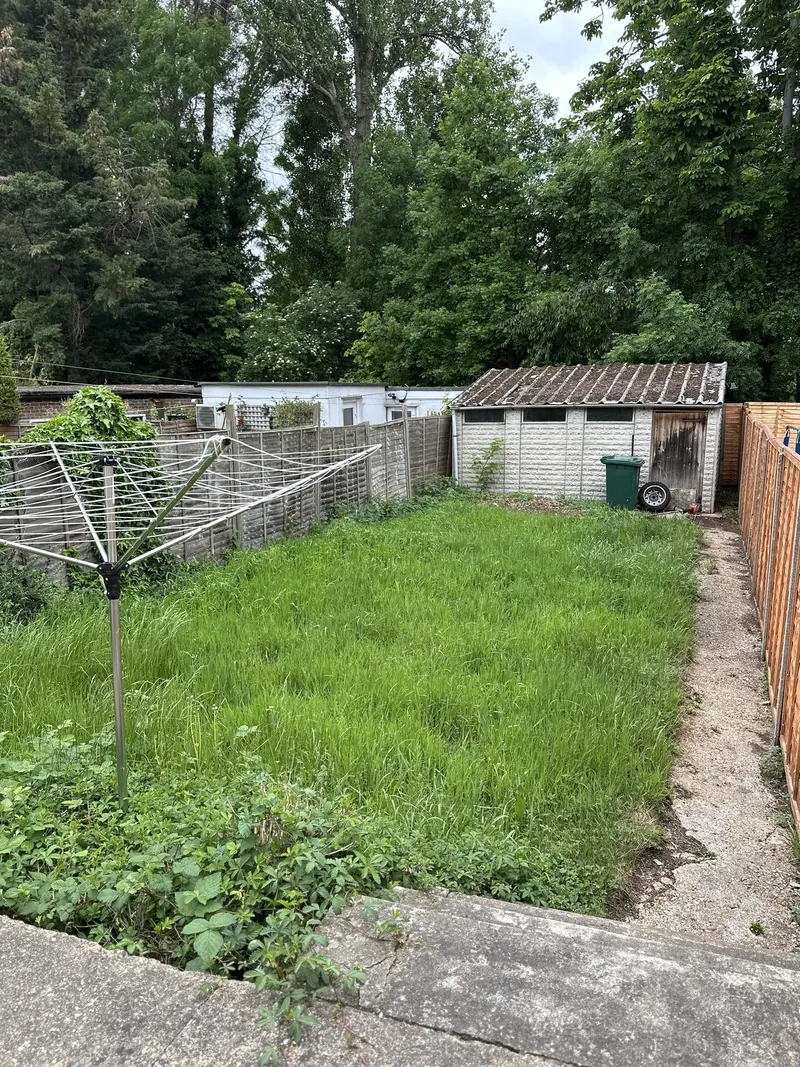
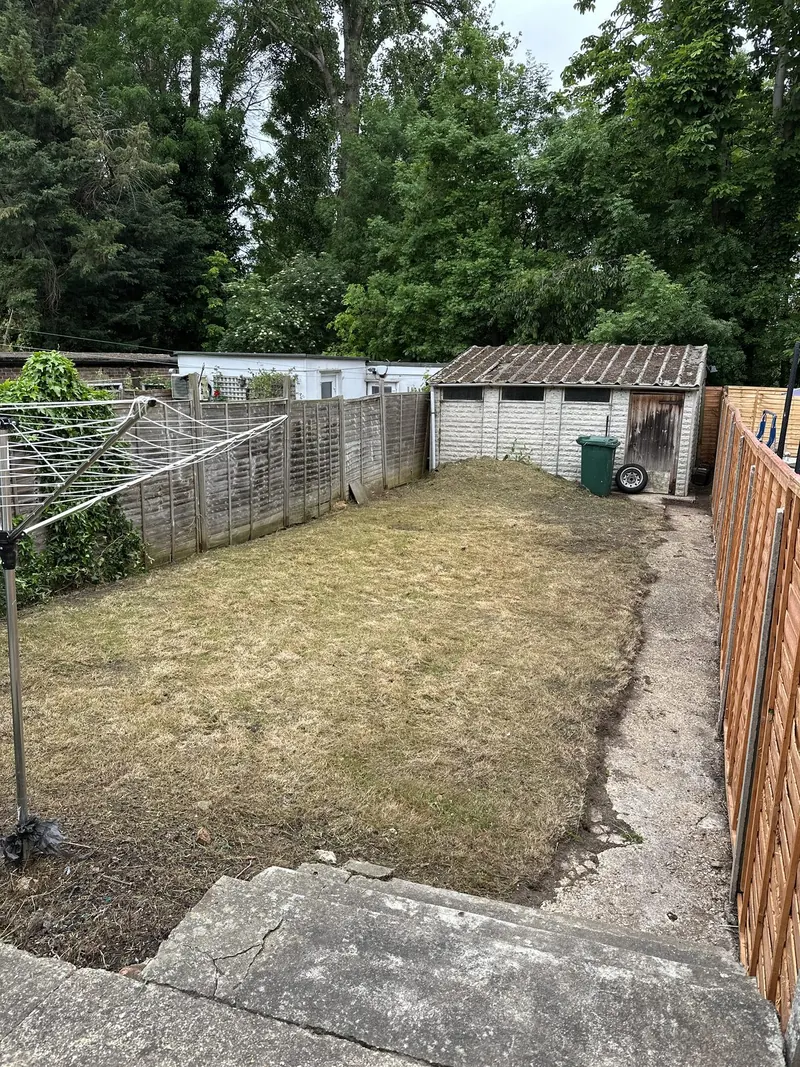
If the garden is already accessible and just needs one catch-up, start with tidy-up. Where a route is buried or heavy growth prevents ordinary work, get a clearance assessment first. Once the area is usable, agree which recurring jobs would help you keep it that way and which occasional tasks can be requested separately.
Monthly garden review
Use the Gardeners calendar to plan a monthly walk round. Review which routes stay clear, the condition of the lawn and the beds you want tended. Keep a note of tasks that were deferred so they can be prioritised at the next visit. For a one-off reset, compare One-off garden tidy-up and Garden clearance.
When reviewing the year, plan the first spring cut and subsequent cuts around growth and ground conditions, following the RHS lawn mowing guide. In autumn, review where fallen leaves are collecting and decide whether some can be retained for leaf mould using the RHS leaf mould guidance. At each review, note what the garden needs next rather than carrying the previous list forward automatically.